
When someone you love is arrested in Mecklenburg County, the hours that follow can feel overwhelming. You're worried, you're confused about the legal process, and you need answers fast.
Understanding how bail bonds work in Charlotte, NC is the first step toward bringing your loved one home quickly and with confidence.
At Sloan Bail Bonding, we've helped thousands of Charlotte families navigate the bail process since 2013. This guide breaks down exactly how bail bonds work, what they cost, and what you can expect at every stage.
What Is a Bail Bond?
A bail bond is a financial guarantee, backed by a licensed bail bondsman, that ensures a defendant will appear for all required court dates. Instead of paying the full bail amount set by the court, a defendant or their family pays a bail bondsman a non-refundable premium — typically 15% in North Carolina — and the bondsman posts the remaining bail on their behalf.
This system exists because most people can't afford to pay thousands of dollars in cash bail outright. Bail bonds make release from jail accessible while still holding the defendant accountable to the court.
The Step-by-Step Bail Bonds Process in Charlotte
-
Arrest and Booking
After an arrest in Charlotte or anywhere in Mecklenburg County, the individual is taken to a detention facility, such as the Mecklenburg County Jail Central, for booking. This includes fingerprinting, photographing, and a records check. -
Bail Is Set
A magistrate reviews the charges and sets a bail amount based on factors like the severity of the offense, criminal history, and flight risk. Bail can range from a few hundred dollars for minor offenses to tens of thousands for serious charges. -
Contacting a Bail Bondsman
Once bail is set, the defendant or a family member contacts a licensed local bail bondsman, like Sloan Bail Bonding, who is available 24/7 to begin the release process immediately — including nights, weekends, and holidays. -
Signing the Bail Bond Agreement
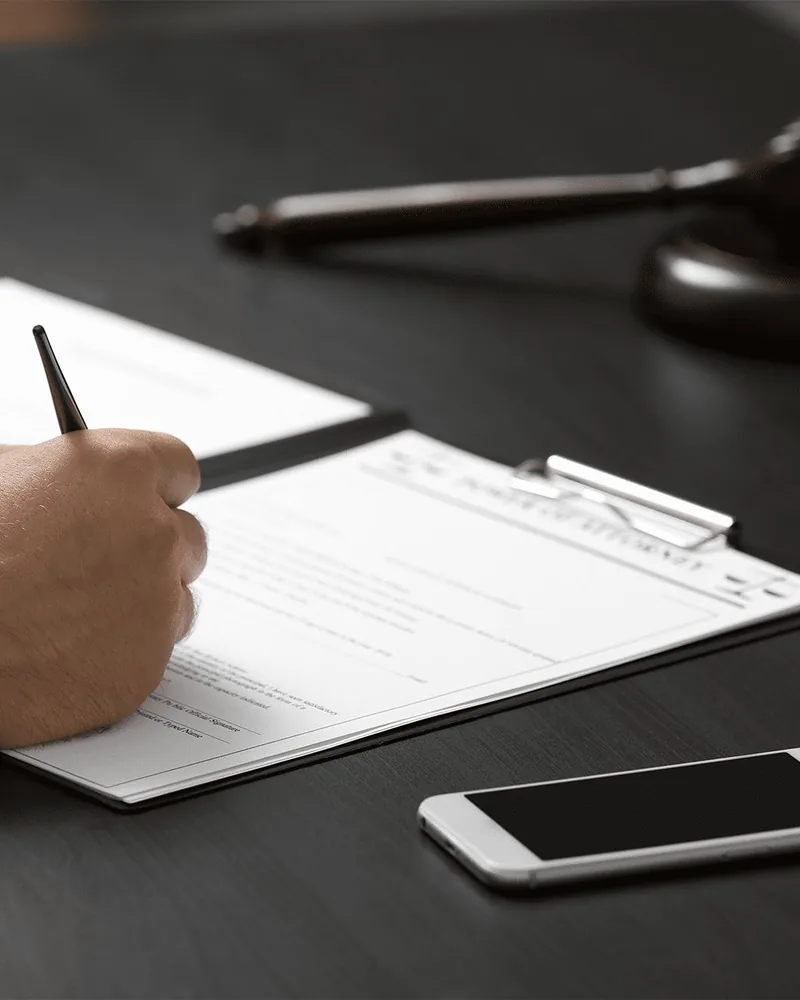
The co-signer (also called an indemnitor) completes paperwork agreeing to be financially responsible if the defendant fails to appear in court. This is where the bondsman explains the premium, any collateral requirements, and the responsibilities involved. -
Posting Bail and Release
Once paperwork and payment are complete, the bondsman posts the bond with the court, and the defendant is released — often within a few hours, depending on jail processing times. -
Court Appearances
The defendant must attend every scheduled court date. As long as they do, the bail bond process concludes when the case is resolved, and the bondsman's obligation to the court ends.
How Much Do Bail Bonds Cost in North Carolina?
North Carolina law caps the standard bail bond premium at 15% of the total bail amount, though this can sometimes be negotiated lower depending on the circumstances and the bonding company. This fee is non-refundable — it's the cost of the bondsman assuming financial risk on the defendant's behalf.
Example: If bail is set at $10,000, the premium would typically be $1,500.
For larger bail amounts, bondsmen may require collateral — such as property, a vehicle title, or other valuables — to secure the bond. See our NC bail bond cost guide and Mecklenburg County bail bonds page for local context.
Types of Bail Bonds in Charlotte
- Surety Bonds: The most common type, backed by a licensed bail bond agency.
- Cash Bonds: Paid in full, directly to the court, and refundable if all court dates are met. See our cash bonds in Charlotte NC guide for cash vs. surety vs. cash-only.
- Property Bonds: Secured using real estate as collateral.
- Signature / Release on Recognizance (ROR): No bail required; the defendant is released on a written promise to appear (only for certain low-risk cases).
For a deeper walkthrough of the arrest-to-release process, see our guide on what to do when someone is arrested in Charlotte.
What Happens If a Court Date Is Missed?
If a defendant fails to appear, the court issues a warrant, and the bond is forfeited. The bail bondsman may then use a recovery agent to locate the defendant, and the co-signer could be held financially responsible for the full bail amount. This is why choosing a bondsman who clearly explains the terms — and staying in communication with them — matters so much.
If you're dealing with a missed court date or outstanding warrant, see our warrant & FTA bail bonds page.
Why Charlotte Families Trust Sloan Bail Bonding
Navigating the bail system during a stressful moment shouldn't add to your burden. Sloan Bail Bonding is a locally owned, licensed North Carolina bail bond agency serving Mecklenburg County and the greater Charlotte area — including Cabarrus, Lincoln, Iredell, Union, Mooresville, Huntersville, and Waxhaw.
- Experience: Years of hands-on experience helping Charlotte families through the bail process.
- Availability: 24/7 phone support — because arrests don't happen on a schedule.
- Transparency: Clear explanations of fees, paperwork, and responsibilities before you sign anything.
- Local Knowledge: Deep familiarity with Mecklenburg County courts, magistrates, and jail procedures.
Frequently Asked Questions
How fast can someone be released after posting bail in Charlotte?
Release times vary by facility and how busy the jail is, but with a bail bondsman, the process is typically faster than paying cash bail directly, often taking a few hours from paperwork to release.
Is the bail bond premium refundable?
No. The premium (typically 15% in NC) is the fee paid to the bondsman for their services and is non-refundable, regardless of the case outcome.
Can I get a bail bond with bad credit?
Yes. Bail bond approval is based primarily on the co-signer's ability to take responsibility for the bond and, in some cases, collateral — not a traditional credit check.
What information do I need to bail someone out in Mecklenburg County?
You'll typically need the defendant's full name, date of birth, the facility where they're held, and their booking or case number, if available.
Do I need collateral for every bail bond?
Not always. Smaller bail amounts often don't require collateral, while larger amounts may.
What's the difference between bail and a bail bond?
Bail is the amount set by the court for release. A bail bond is the service a bondsman provides to cover that amount for a fee, so you don't have to pay it in full yourself.